
Disability digest
Modern Construction Does (Not) Consider People with Disabilities

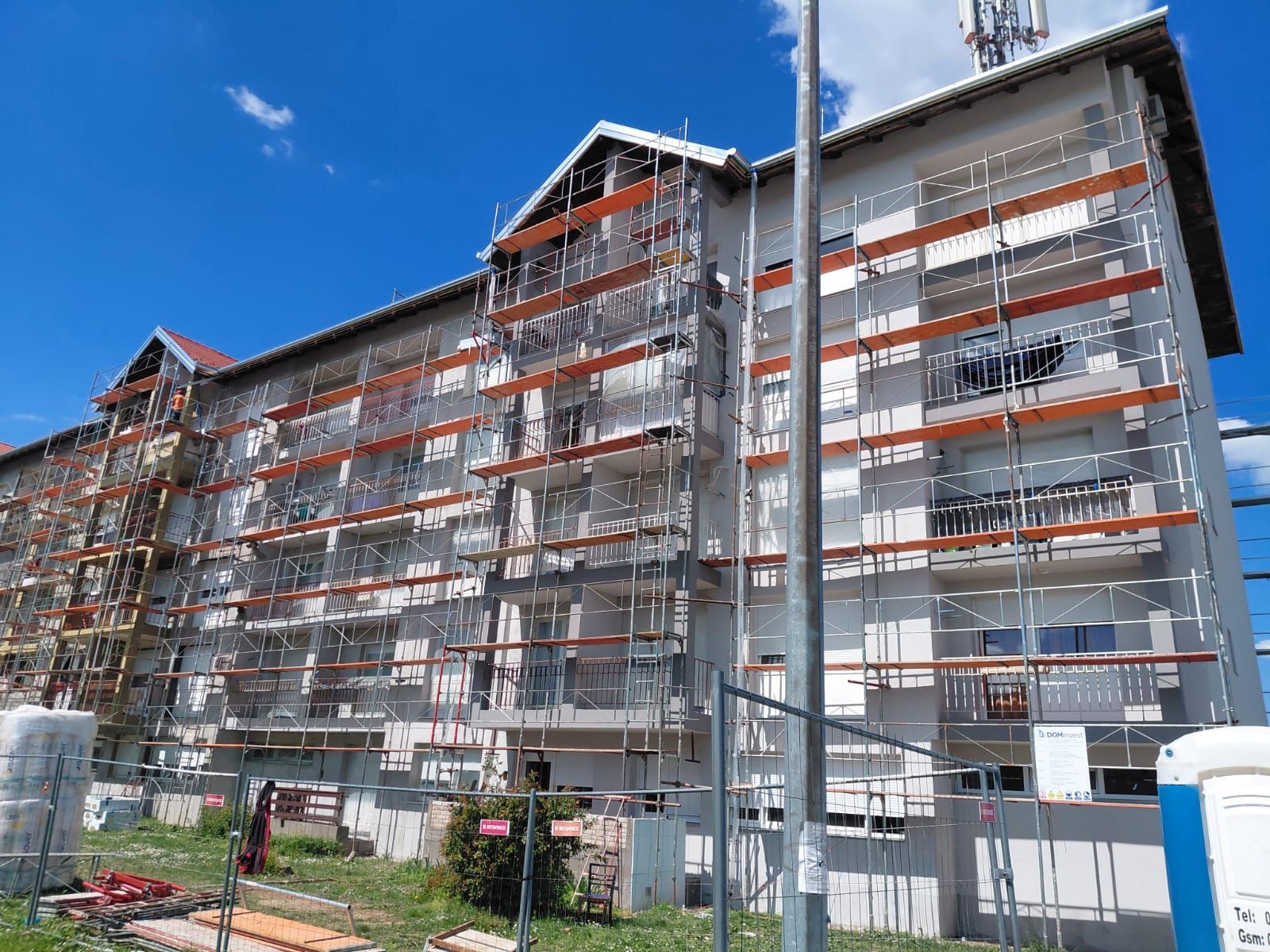

Accessibility for people with disabilities is now a legal requirement, but high-quality architecture does not end with meeting minimum regulations. The needs of people with disabilities should be considered from the very beginning of the design process, not only once a project has been completed
Listen to the article
The contemporary appearance of Croatian cities is increasingly characterised by simple, almost identical residential buildings that many people refer to as ‘matchboxes’. This trend raises the question of whether modern architecture has lost its creativity under economic pressure, and to what extent the quality of life and accessibility for people with disabilities are taken into account.
We discussed these issues with Danijela Koren, Managing Director of DI plan, who points out that architects today must simultaneously satisfy planning requirements, energy efficiency standards, fire safety regulations and investors’ financial expectations, leaving significantly less room for creativity.
According to Koren, creativity has not disappeared, but it is increasingly constrained by economic considerations. Every additional façade detail or higher-quality material increases construction costs, meaning that investors usually opt for simpler and more affordable solutions. However, the problem does not lie solely with architects. For years, the market has prioritised maximising plot utilisation and profitability, while the quality of the built environment has taken a back seat. Simplicity in architecture is not inherently a problem, but the difference between a well-designed building and a characterless structure lies in its proportions, materials, detailing and relationship with its surroundings.
The intense pressure to reduce construction costs has resulted in savings being made precisely on those elements that determine long-term quality of life: communal spaces, green areas, façade detailing, acoustics and the durability of the building itself. Good architecture is not simply architecture that looks attractive in photographs, but architecture in which people will feel just as comfortable decades after moving in.
Accessibility for people with disabilities is now a legal obligation, but Koren stresses that quality architecture goes beyond complying with minimum legal standards. The needs of people with disabilities should be integrated into the design process from the outset, rather than addressed only after a project has been completed. When a space is accessible to people with disabilities, it also becomes more functional for parents with pushchairs, older people and anyone with reduced mobility.
Asked why so many new buildings appear to spring up without any apparent order, often too close to roads or neighbouring properties, Koren explains that planning frameworks do exist, but cities are increasingly developing through individual investments rather than according to a long-term vision. In the past, greater attention was paid to the relationship between buildings, green spaces, transport infrastructure and public areas. Today, however, the pace of development is largely dictated by market forces. When planning policies allow excessive development and infrastructure fails to keep pace with the intensity of construction, residents inevitably gain the impression of urban chaos.
There is also a risk that accessibility becomes little more than a box-ticking exercise. It should never be treated merely as another legal requirement, but as an integral part of designing the built environment. The same applies to green spaces, which are increasingly giving way to car parks and the maximum exploitation of development plots. Quality of life cannot be measured solely by the size of a flat or the number of parking spaces. Natural light, views, parks, playgrounds and a sense of belonging within a neighbourhood are equally important.
A city is only as good as it is accessible to all its residents. This means wide and safe pedestrian routes, functional ramps and lifts, accessible entrances, tactile paving for blind and partially sighted people, clear signage and public spaces that people with disabilities can use independently. The real question is not whether a ramp exists, but whether a person can travel independently from their home to the shops, the doctor’s surgery, a park or their workplace without relying on assistance.
Another increasingly common question is why newly constructed buildings begin to show signs of deterioration after only a few years. Koren believes the problem does not lie with contemporary architecture itself, but with the pressure to build quickly, cost-cutting on materials and poor construction quality. Older buildings were often constructed using more substantial and natural materials that withstood the passage of time more effectively, whereas modern construction is technologically more complex and consequently more vulnerable to mistakes. A contemporary façade can last for decades, but only if supported by high-quality design, materials and workmanship.
Speaking about the beauty of older buildings, Koren points out that we often judge the past by the finest examples that have survived. Nevertheless, proportions, architectural detailing and urban composition once played a much greater role, while cities were planned with a stronger long-term perspective. Today’s architects possess the same level of expertise, but they work within significantly different economic and regulatory conditions.
The aesthetic quality of a city is not merely a matter of appearance; it also has a direct impact on the health and well-being of its residents. Numerous studies confirm that green spaces reduce stress and have a positive effect on mental health. Koren warns that people do not adapt to ugliness itself; rather, they gradually come to accept lower standards. Even so, she believes change is possible. Better planning policies, more responsible investors, a stronger and more decisive architectural profession, and homebuyers who recognise that a good home is about more than just floor area are all essential. The buildings we construct today will remain part of our cities for decades to come. That is why they should be designed not merely to be sold, but above all to be lived in.






People with disabilities often have significantly greater electricity needs than other citizens across the European Union
Listen to the article
Energy poverty is affecting a growing number of households across the European Union, and recent research shows that it has a disproportionate impact on people with disabilities. The reasons for this disparity are numerous and extend well beyond financial hardship alone.
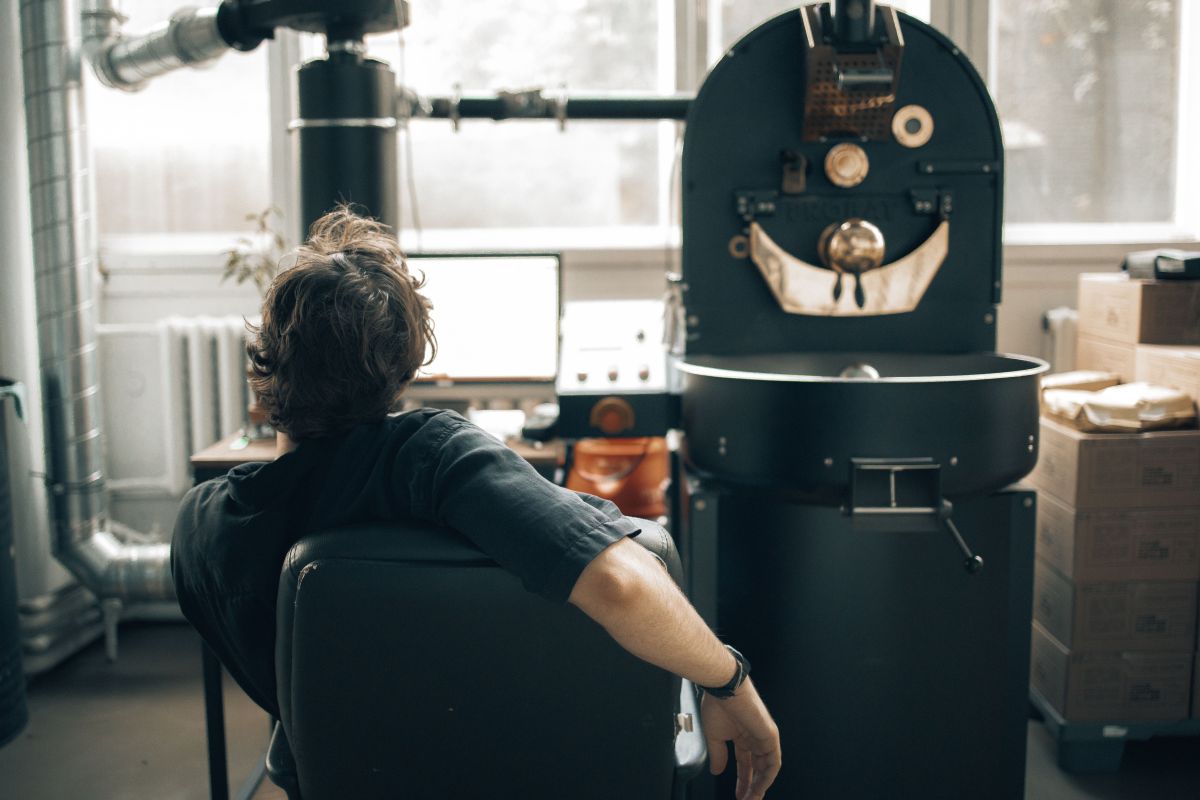
People with disabilities generally have higher electricity needs because many rely on medical equipment and assistive devices. They also tend to consume more energy for heating and cooling their homes, particularly people with physical disabilities whose health and well-being often depend on maintaining stable indoor temperatures.
To help address the growing problem of energy poverty, the European Network on Independent Living (ENIL), together with partners in the ASSERT project, has launched an online learning platform for professionals working with households affected by energy poverty.
The ASSERT platform has been developed primarily for organisations representing people with disabilities, social workers, energy advisers, healthcare professionals and other specialists who need additional knowledge and practical skills to tackle energy poverty more effectively.
In addition to professional training, the platform provides people with disabilities with practical advice and guidance on avoiding energy poverty, managing household energy costs and making more efficient use of energy systems.
More information is available on the ASSERT website at assert.aisforacademy.eu. Registration is free and open to organisations and professionals interested in strengthening the capacity of people with disabilities to respond more effectively to energy poverty.
ASSERT is a relatively new European project funded through the LIFE Programme. Over the past year and a half, it has been working to ensure that people with disabilities are not left behind in Europe’s transition to clean energy. The project currently operates in five European Union member states—Cyprus, France, Greece, Italy and Spain—and brings together experts from a wide range of fields, including disability rights and energy efficiency.

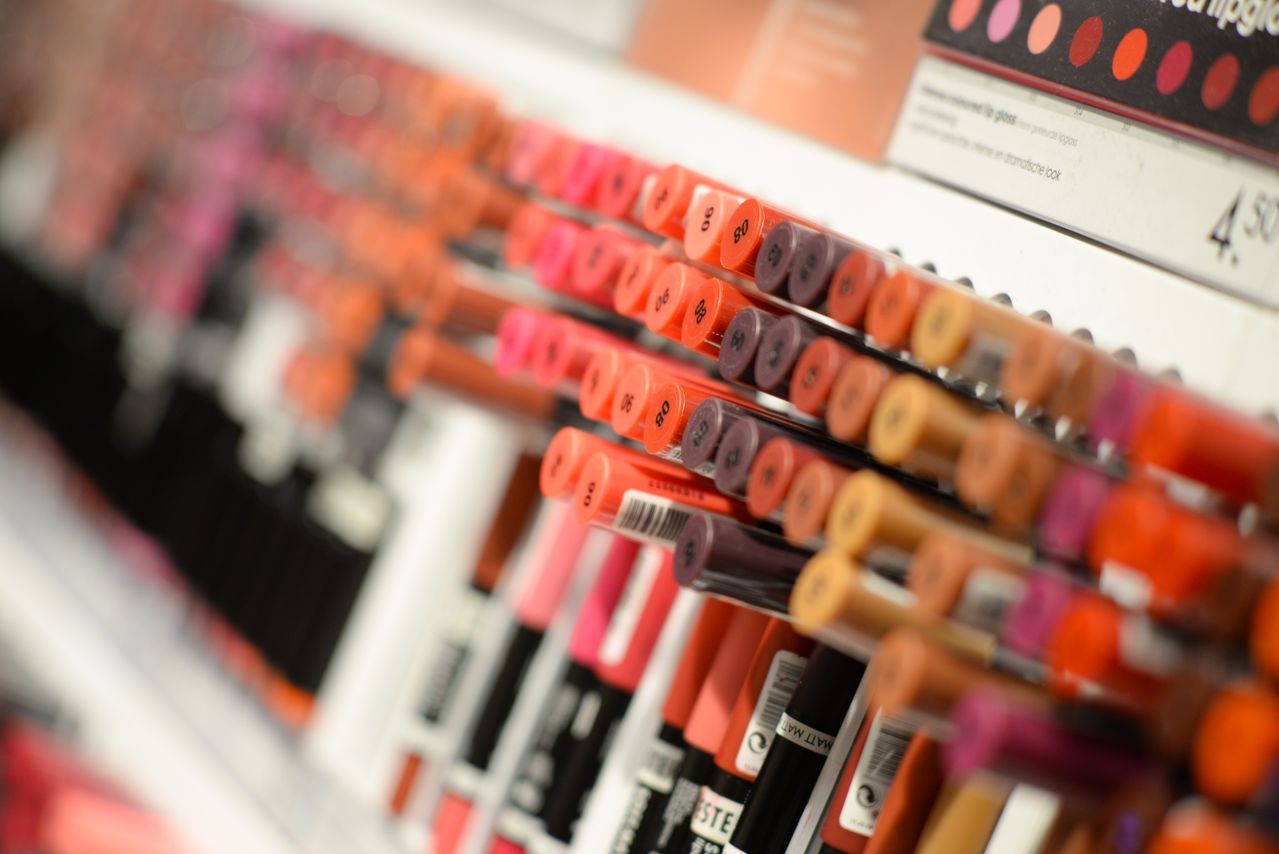
Global beauty retailer Sephora has introduced a ‘Quiet Hours’ programme across its stores worldwide, aiming to create a more comfortable and accessible shopping experience for neurodivergent people and anyone who prefers a calmer retail environment
Listen to the article
The initiative is the first global programme of its kind in the beauty retail sector. During designated Quiet Hours, stores will lower the volume of in-store music, adjust digital displays to reduce visual stimulation and, where possible, minimise the presence of strong fragrances. At selected locations, customers will also have access to additional options, such as mobile checkout, making the shopping experience simpler and less stressful.
The programme was developed in partnership with Open Inclusion and Purposeful Futures, with direct input from neurodivergent customers and employees whose experiences helped shape the initiative.
Before its global rollout, Sephora tested the programme in 32 stores across eight markets. The pilot project found that the majority of neurodivergent customers believed Quiet Hours significantly improved their shopping experience. In addition, 90% of all surveyed customers said the initiative made stores more inclusive and welcoming for everyone.
Experts involved in developing the programme note that people with autism, ADHD and other sensory issues often find shopping centres highly challenging environments because of loud music, bright lighting, strong fragrances and large crowds. Even relatively small adjustments, they say, can substantially reduce sensory overload and make shopping a more comfortable and independent experience.
The initiative has also received positive feedback from employees, who report that the calmer environment enables better communication with customers and reduces stress throughout the working day.
By introducing Quiet Hours, Sephora joins a growing number of major retailers offering sensory-friendly shopping periods. Similar initiatives have been adopted in recent years by supermarkets, department stores and cinemas, reflecting a broader understanding that accessibility is not only about removing physical barriers but also about creating environments where people with sensory sensitivities can feel safe, comfortable and included.
Sephora says Quiet Hours represent just one step towards creating a more inclusive shopping experience and has pledged to continue working with the neurodivergent community to develop solutions that meet the needs of an even wider range of customers.

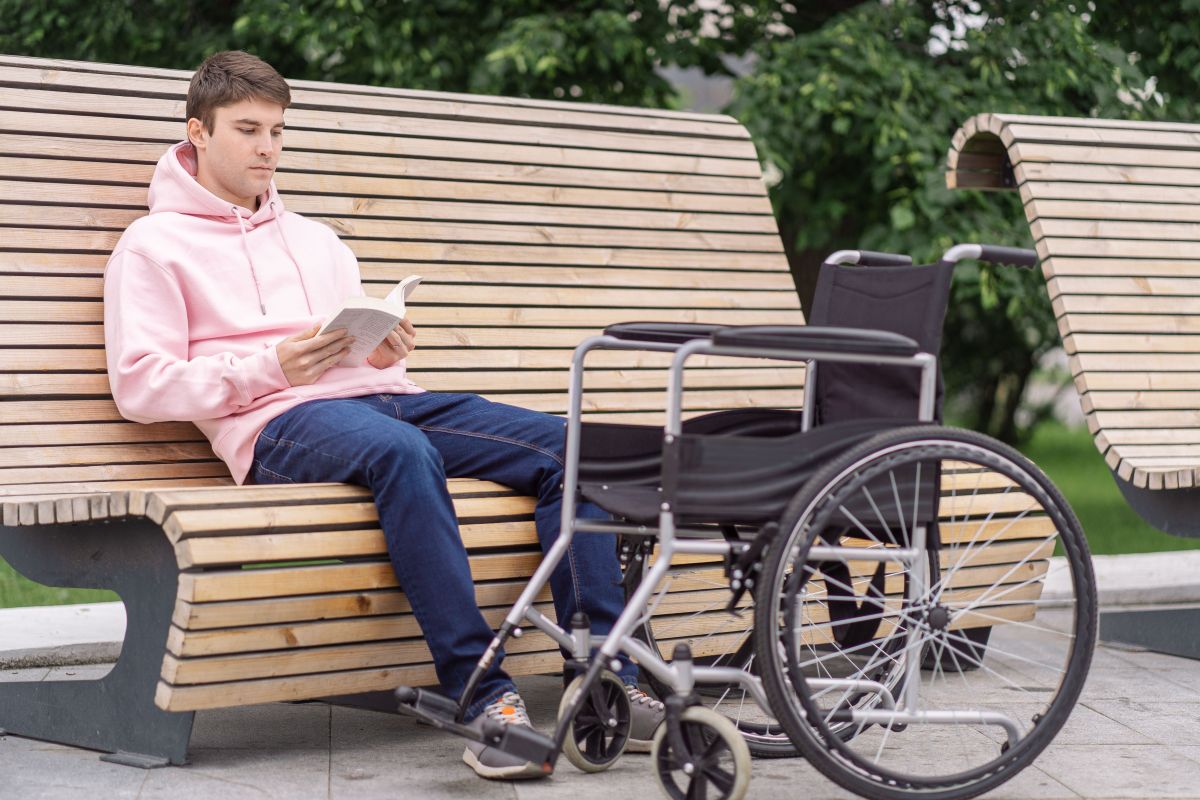
Without young people with disabilities in newsrooms, government ministries and national parliaments, the slogan “Nothing About Us Without Us” remains just that—a slogan, a decorative phrase displayed on banners at disability rights marches.
Listen to the article
Consider for yourself to what extent young people with disabilities in the European Union truly enjoy their rights, and whether those rights are fully realised or remain largely declarative—a polished façade of the welfare state with deep cracks beneath the surface.
One answer to these questions can be found in a survey conducted last year by the Youth Committee of the European Disability Forum (EDF). The survey gathered responses from 183 young people with disabilities across all EU member states. Its findings were published in the EDF manifesto on the everyday lives of young people with disabilities, entitled The Right to Shape Our Future.
The survey results should serve as a wake-up call for decision-makers across the European Union. Respondents expressed dissatisfaction with every major aspect of social life. Overall, young people with disabilities said they do not enjoy the right to live in a fair and accessible society. They also reported that their opportunities to shape their own futures and participate in decisions affecting their lives are significantly restricted.
When it comes to influencing society, respondents said that the media either ignore their lives and rights altogether or portray them through stereotypes. Even when useful information is available, it is often presented in formats that remain inaccessible to people with disabilities.
Without young people with disabilities working in media organisations, government ministries and national parliaments, the slogan “Nothing About Us Without Us” risks remaining exactly that—a slogan, a symbolic message carried on banners rather than reflected in public policy and everyday decision-making.
Young respondents were equally critical when asked about accessibility, which the manifesto describes as little more than “a decent proposal” rather than a lived reality.
“People with disabilities face a ‘disability tax’—they pay more for housing, transport and healthcare while navigating a world that was not designed with them in mind. From inaccessible bus stops to cafés that cannot be entered, the built environment continues to undermine independence. True equality requires infrastructure that anticipates diversity rather than treating it as an afterthought,” the manifesto states.
For many young people with disabilities, the right to shape their own future is further limited by segregated education systems that prevent them from reaching their full potential. This, the manifesto argues, contributes to a “poverty trap.”
By the time they complete their education, many are not adequately prepared to compete in the labour market, while the jobs they do obtain often provide only enough income to meet their basic needs.
At the same time, earning an income can result in the loss of essential social support, effectively penalising ambition and trapping many young people with disabilities in poverty, the EDF manifesto concludes.
Tko su Purger i Purgerica?





Humanitarni koncert, filmska priča i druženja uz igre

Besplatni e-priručnik donosi nove ideje za učenje u prirodi za OSI

Prva Hrvatica s invaliditetom na Hyroxu


-

 MedicinaPrije 2 dana
Nova tehnologija za liječenje raka stiže u Hrvatsku
-
 ZnanostPrije 3 dana
Izumljene naočale koje bi djelomično mogle vratiti vid slijepima
-
 Osobe s invaliditetomPrije 3 dana
U Hrvatskoj gotovo 731 tisuća osoba s invaliditetom
-
 Osobe s invaliditetomPrije 5 dana
Euroključ stiže u Hrvatsku
-
 Civilno društvoPrije 5 dana
Kako osigurati financijski pozitivno poslovanje udruga?
-

 Osobe s invaliditetomPrije 4 dana
URIHO i In Portal otvaraju vrata svijetu podcasta i novih medija
-
 Osobe s invaliditetomPrije 4 dana
Maturanti s invaliditetom i pravo prednosti pri upisu na studij
-
 Life&StylePrije 3 dana
Sitnice koje će vaš dom učiniti toplijim i prostranijim