
Disability digest
COURT RULING Baldness in women is interpreted as a disability


In this era when fierce battles are being waged over gender identities, it could happen that even men with (partial) baldness will seek the status of a person with a disability
Serious hair loss in women represents an impairment that negatively affects the ability to perform everyday activities.
That is the conclusion reached by judges Swami Raghavan and Kevin Poole in one of the most unusual cases in the recent history of British justice, ruling that from now on baldness in women can be classified as a disability.
The story, which turned into a legal saga, began a quarter of a century ago, in 2001, when Mark Sharp and Glenn Kinsey started a specialized company and developed a wig specifically designed for women with serious hair loss problems. Their wig quickly became a hit among balding women because it had colors perfectly matched to natural hair and was placed in such a way that even the most vigilant observers could not notice the extensions.
However, Sharp and Kinsey did not enjoy the fruits of their newfound fame and reputation for long, as the British tax authority intervened. The tax office handed them a bill of £277,000 in unpaid VAT, arguing that their wigs were a fashion accessory and not a kind of orthopedic aid. Sharp and Kinsey were shocked.
They knew the legal battle would be long and exhausting, with the media mercilessly relishing it, but they were determined to prove that their wigs – which cost customers around £2,400 per year for fitting and maintenance – should “qualify as zero-rated products under the exemption for medicines and aids for disabled persons.”
And they were right, at least according to the ruling of judges Raghavan and Poole. The court sided with the wig makers, agreeing that their female clients suffering from baldness should be considered disabled persons.
Lawyers for the tax authority argued on appeal that baldness should not be considered a disability because it is a “cosmetic” problem, and that other characteristics affecting appearance, such as freckles, could also be seen in the same way. But their appeal was in vain. In the ruling’s reasoning, the judges stated that “serious hair loss in women represents an impairment that negatively affects the ability to perform everyday activities.”
— These activities include work, leisure, socializing, self-care, and caring for others — activities that, at least to some degree, mean being visible to others in public — the ruling states.
— It’s not because hair loss physically prevents participation in such activities, but because of the distress that a woman with severe hair loss would usually experience if steps are not taken to cover it up. This distress stems from the cultural significance of hair for female identity, societal expectations regarding appearance, and different standards applied to women. Women treated by the company — those with baldness or patchy hair loss rather than just thinning — were, on the basis of that condition, persons with a disability — concluded judges Raghavan and Poole.
And, as could already be expected, social networks went wild — some welcomed the ruling with thunderous applause, others with mockery and amazement. In this era when fierce ideological, political, and cultural battles over gender identities are being fought, it could happen that men with a problem of (partial) baldness will seek disability status. Why not!? Free public transportation, special parking spaces, disability pensions and all sorts of benefits, and the concept of gender has become infinitely stretchable.







People with disabilities often have significantly greater electricity needs than other citizens across the European Union
Listen to the article
Energy poverty is affecting a growing number of households across the European Union, and recent research shows that it has a disproportionate impact on people with disabilities. The reasons for this disparity are numerous and extend well beyond financial hardship alone.
People with disabilities generally have higher electricity needs because many rely on medical equipment and assistive devices. They also tend to consume more energy for heating and cooling their homes, particularly people with physical disabilities whose health and well-being often depend on maintaining stable indoor temperatures.
To help address the growing problem of energy poverty, the European Network on Independent Living (ENIL), together with partners in the ASSERT project, has launched an online learning platform for professionals working with households affected by energy poverty.
The ASSERT platform has been developed primarily for organisations representing people with disabilities, social workers, energy advisers, healthcare professionals and other specialists who need additional knowledge and practical skills to tackle energy poverty more effectively.
In addition to professional training, the platform provides people with disabilities with practical advice and guidance on avoiding energy poverty, managing household energy costs and making more efficient use of energy systems.
More information is available on the ASSERT website at assert.aisforacademy.eu. Registration is free and open to organisations and professionals interested in strengthening the capacity of people with disabilities to respond more effectively to energy poverty.
ASSERT is a relatively new European project funded through the LIFE Programme. Over the past year and a half, it has been working to ensure that people with disabilities are not left behind in Europe’s transition to clean energy. The project currently operates in five European Union member states—Cyprus, France, Greece, Italy and Spain—and brings together experts from a wide range of fields, including disability rights and energy efficiency.

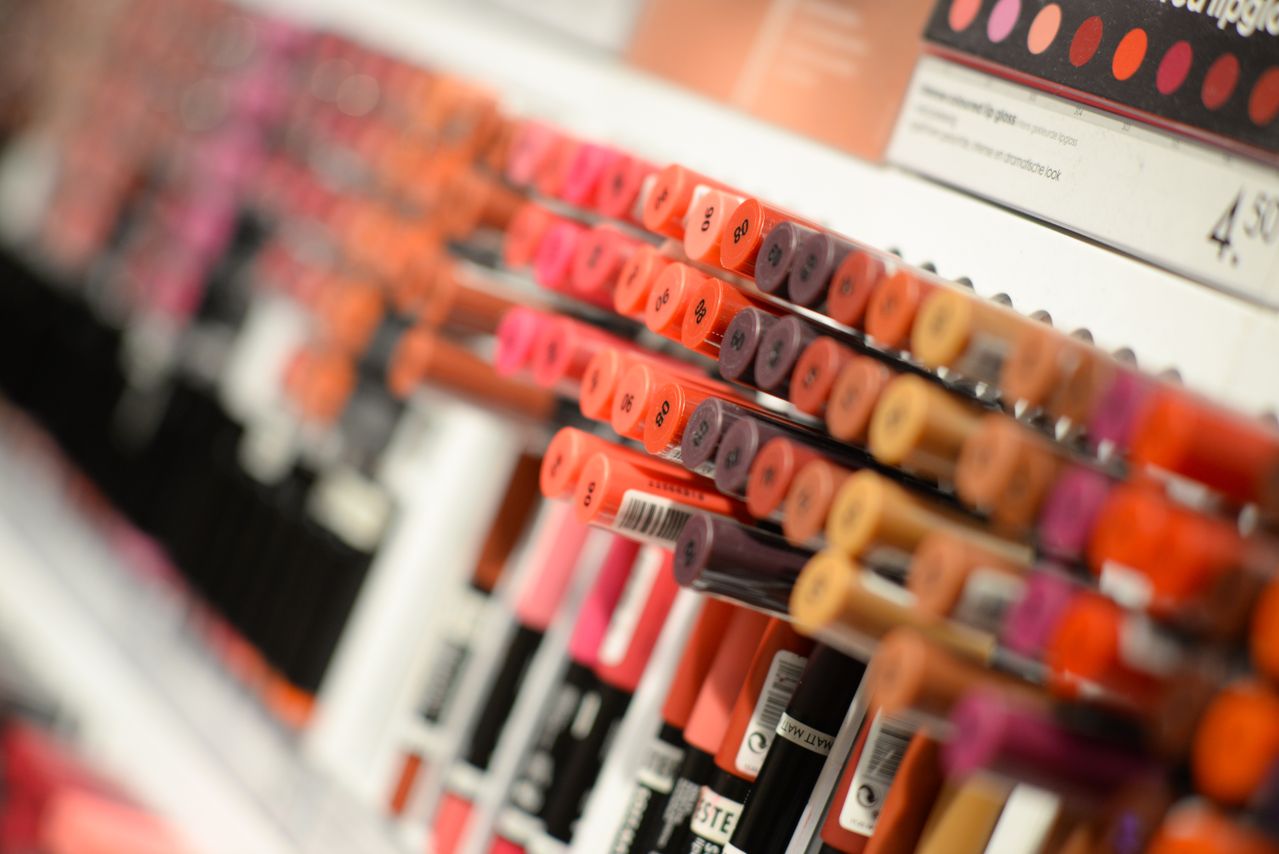
Global beauty retailer Sephora has introduced a ‘Quiet Hours’ programme across its stores worldwide, aiming to create a more comfortable and accessible shopping experience for neurodivergent people and anyone who prefers a calmer retail environment
Listen to the article
The initiative is the first global programme of its kind in the beauty retail sector. During designated Quiet Hours, stores will lower the volume of in-store music, adjust digital displays to reduce visual stimulation and, where possible, minimise the presence of strong fragrances. At selected locations, customers will also have access to additional options, such as mobile checkout, making the shopping experience simpler and less stressful.
The programme was developed in partnership with Open Inclusion and Purposeful Futures, with direct input from neurodivergent customers and employees whose experiences helped shape the initiative.
Before its global rollout, Sephora tested the programme in 32 stores across eight markets. The pilot project found that the majority of neurodivergent customers believed Quiet Hours significantly improved their shopping experience. In addition, 90% of all surveyed customers said the initiative made stores more inclusive and welcoming for everyone.
Experts involved in developing the programme note that people with autism, ADHD and other sensory issues often find shopping centres highly challenging environments because of loud music, bright lighting, strong fragrances and large crowds. Even relatively small adjustments, they say, can substantially reduce sensory overload and make shopping a more comfortable and independent experience.
The initiative has also received positive feedback from employees, who report that the calmer environment enables better communication with customers and reduces stress throughout the working day.
By introducing Quiet Hours, Sephora joins a growing number of major retailers offering sensory-friendly shopping periods. Similar initiatives have been adopted in recent years by supermarkets, department stores and cinemas, reflecting a broader understanding that accessibility is not only about removing physical barriers but also about creating environments where people with sensory sensitivities can feel safe, comfortable and included.
Sephora says Quiet Hours represent just one step towards creating a more inclusive shopping experience and has pledged to continue working with the neurodivergent community to develop solutions that meet the needs of an even wider range of customers.

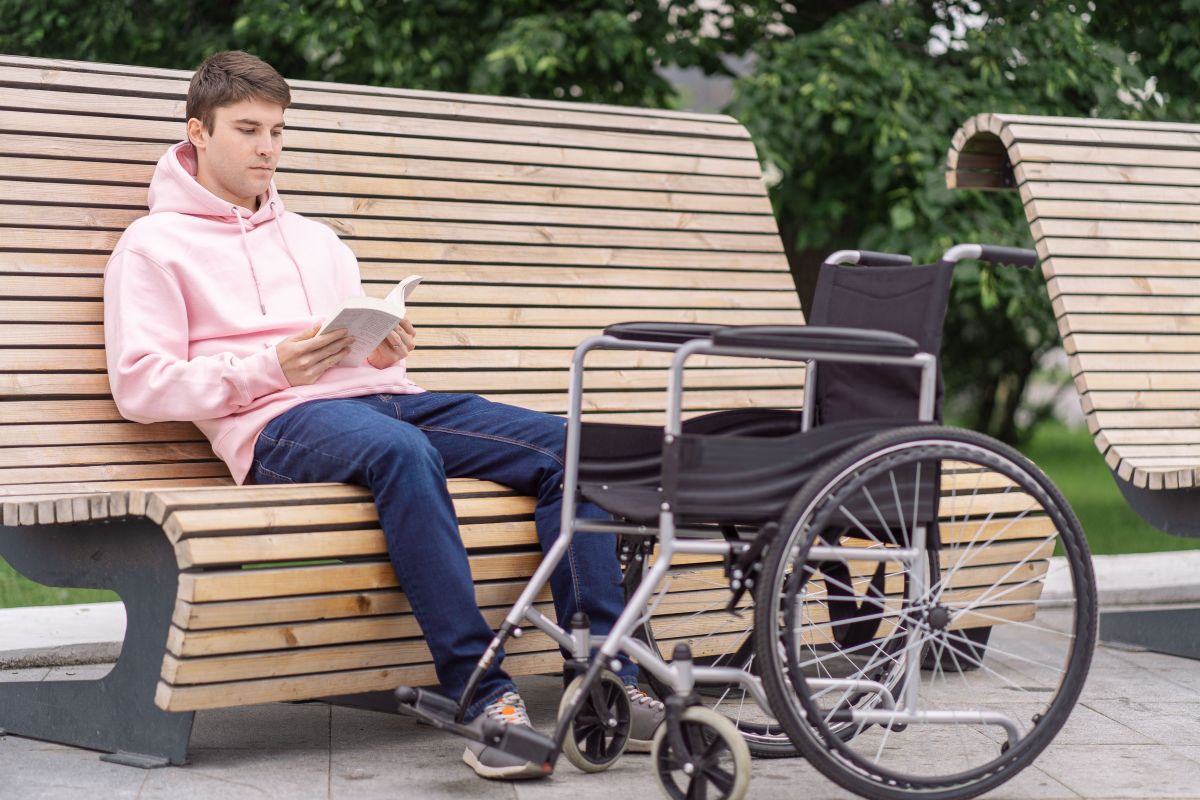
Without young people with disabilities in newsrooms, government ministries and national parliaments, the slogan “Nothing About Us Without Us” remains just that—a slogan, a decorative phrase displayed on banners at disability rights marches.
Listen to the article
Consider for yourself to what extent young people with disabilities in the European Union truly enjoy their rights, and whether those rights are fully realised or remain largely declarative—a polished façade of the welfare state with deep cracks beneath the surface.
One answer to these questions can be found in a survey conducted last year by the Youth Committee of the European Disability Forum (EDF). The survey gathered responses from 183 young people with disabilities across all EU member states. Its findings were published in the EDF manifesto on the everyday lives of young people with disabilities, entitled The Right to Shape Our Future.
The survey results should serve as a wake-up call for decision-makers across the European Union. Respondents expressed dissatisfaction with every major aspect of social life. Overall, young people with disabilities said they do not enjoy the right to live in a fair and accessible society. They also reported that their opportunities to shape their own futures and participate in decisions affecting their lives are significantly restricted.
When it comes to influencing society, respondents said that the media either ignore their lives and rights altogether or portray them through stereotypes. Even when useful information is available, it is often presented in formats that remain inaccessible to people with disabilities.
Without young people with disabilities working in media organisations, government ministries and national parliaments, the slogan “Nothing About Us Without Us” risks remaining exactly that—a slogan, a symbolic message carried on banners rather than reflected in public policy and everyday decision-making.
Young respondents were equally critical when asked about accessibility, which the manifesto describes as little more than “a decent proposal” rather than a lived reality.
“People with disabilities face a ‘disability tax’—they pay more for housing, transport and healthcare while navigating a world that was not designed with them in mind. From inaccessible bus stops to cafés that cannot be entered, the built environment continues to undermine independence. True equality requires infrastructure that anticipates diversity rather than treating it as an afterthought,” the manifesto states.
For many young people with disabilities, the right to shape their own future is further limited by segregated education systems that prevent them from reaching their full potential. This, the manifesto argues, contributes to a “poverty trap.”
By the time they complete their education, many are not adequately prepared to compete in the labour market, while the jobs they do obtain often provide only enough income to meet their basic needs.
At the same time, earning an income can result in the loss of essential social support, effectively penalising ambition and trapping many young people with disabilities in poverty, the EDF manifesto concludes.
Tko su Purger i Purgerica?





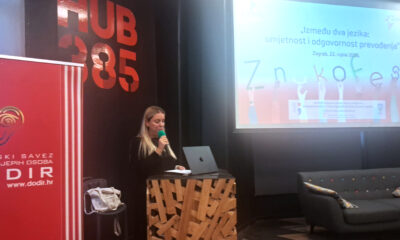
Smije li Gluha osoba dobiti informaciju koju svi ostali mogu čuti?

Besplatne zdravstvene provjere na glavnom zagrebačkom trgu

Osobni asistenti traže veće plaće i uključivanje u reformu


-
 In MetropolaPrije 6 dana
DUMOVEC Zagrebački umirovljenici i njihovi novi prijatelji psi
-

 VijestiPrije 5 dana
Naknada za prijelazno razdoblje usluge osobne asistencije
-
 EU kutakPrije 4 dana
Osobe s invaliditetom isključene iz hitnih službi i komunikacije
-
 VijestiPrije 3 dana
Osobni asistenti traže veće plaće i uključivanje u reformu
-
 In MetropolaPrije 7 dana
SAMO 5 MINUTA Oštra poruka Zajednice spinalno ozlijeđenih
-
 Civilno društvoPrije 7 dana
URIHO sudjelovao u Europskom tjednu mobilnosti
-
 in MREŽAPrije 7 dana
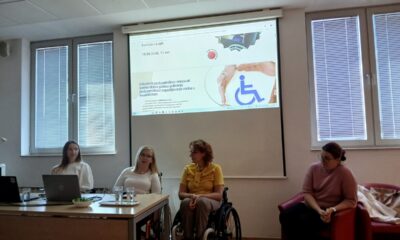
RASPRAVA Prepreke pri (samo)zapošljavanju osoba s invaliditetom
-
 VijestiPrije 5 dana
ZNAKOFEST Prevoditelji moraju biti otporni i emocionalno stabilni