
Disability digest
ROME Can the Eternal City be accessible to everyone?


Author: J.L.
In the context of the old European continent, rich in archaeological sites and cultural monuments protected by UNESCO, the question of accessibility for persons with disabilities becomes particularly sensitive. How can ancient buildings, squares, and streets be adapted to modern standards of inclusion without compromising their authenticity?
Listen to the article
We sought answers in Rome – a city more than 2,700 years old, whose historical layers encompass ancient ruins, Renaissance palaces, and Baroque squares.
A city of challenges – and compromises
At first glance, Rome can be demanding to navigate. Its hilly terrain, cobblestone streets, narrow historic alleys, and wide, traffic-heavy avenues present challenges not only for tourists but also for residents. A shortage of parking spaces further complicates mobility, and increasingly large vehicles often partially occupy pedestrian walkways.
Despite these objective obstacles, there is clear evidence of systematic efforts to improve accessibility. Adaptations are being implemented gradually, with careful consideration given to the protection of cultural heritage.
Along wider avenues, tactile paving has been installed to assist blind and visually impaired persons, and some traffic lights are equipped with audible signals. The main railway station and metro stations feature tactile maps and Braille signage. Metro Lines B and C are largely accessible, while Line A includes selected stations equipped with elevators. Buses are fitted with ramps that drivers deploy manually when needed, ensuring functionality without altering the visual integrity of the vehicles.
History through the lens of accessibility

Rome’s most visited landmarks offer varying levels of accessibility.
The areas surrounding the Trevi Fountain and Piazza Navona are generally accessible; however, large crowds can significantly hinder movement for wheelchair users.
By contrast, the Colosseum stands out as an example of good practice. It is equipped with modern elevators, ramps, and level pathways, and Braille panels are installed inside the monument. Despite being nearly two thousand years old, the site allows for a largely inclusive visitor experience.
The Roman Forum and the Palatine Hill are considerably more challenging. The uneven original terrain and numerous staircases make detailed exploration difficult. Although certain accessible routes and an elevator are available, visiting without assistance is often not feasible, and careful planning is essential.
The Spanish Steps remain architecturally complex in terms of accessibility. Wheelchair users can reach the upper level via an alternative route using a nearby metro elevator, followed by a ramp. While functional, this solution depends on the operational status of the station.
The interior of the Pantheon is accessible, while the district of Trastevere is generally navigable, though its cobblestones may present challenges.
Particularly noteworthy is the Altare della Patria (Vittoriano), which is largely accessible to persons with disabilities. The complex is equipped with elevators and ramps, and the museum housed within the building is also accessible. Similarly, St. Peter’s Basilica in Vatican City provides step-free access, ramps, and elevators.
Accommodation, dining, and visitor treatment

Most hotels, particularly newer establishments, offer adapted rooms and bathrooms for guests with disabilities, although prior verification of specific facilities is recommended.
An interesting aspect of accessibility relates to dining: restaurants commonly offer gluten-free pizza and pasta options at minimal additional charge, an important consideration for visitors with specific dietary needs.
Persons with disabilities are entitled to free admission to landmarks upon presentation of valid identification. In addition, they and their companions are granted priority access without waiting in line, significantly easing visits to the city’s most frequented attractions.
Between heritage and the future
Rome demonstrates that preserving cultural heritage and developing accessible tourism are not mutually exclusive goals. While the complete adaptation of a historic city will never be simple or possible numerous thoughtful compromises are visible – discreetly installed elevators, tactile pathways, Braille signage, and adapted public transport systems.
The main challenges remain uneven terrain, cobblestones, and large crowds. Nevertheless, with careful planning and adequate information, the Eternal City can be accessible to a far wider range of visitors than one might initially expect.
Rome’s example confirms that inclusion is not a modern luxury, but a standard toward which even the oldest European cities can – and should – strive.













People with disabilities often have significantly greater electricity needs than other citizens across the European Union
Listen to the article
Energy poverty is affecting a growing number of households across the European Union, and recent research shows that it has a disproportionate impact on people with disabilities. The reasons for this disparity are numerous and extend well beyond financial hardship alone.
People with disabilities generally have higher electricity needs because many rely on medical equipment and assistive devices. They also tend to consume more energy for heating and cooling their homes, particularly people with physical disabilities whose health and well-being often depend on maintaining stable indoor temperatures.
To help address the growing problem of energy poverty, the European Network on Independent Living (ENIL), together with partners in the ASSERT project, has launched an online learning platform for professionals working with households affected by energy poverty.
The ASSERT platform has been developed primarily for organisations representing people with disabilities, social workers, energy advisers, healthcare professionals and other specialists who need additional knowledge and practical skills to tackle energy poverty more effectively.
In addition to professional training, the platform provides people with disabilities with practical advice and guidance on avoiding energy poverty, managing household energy costs and making more efficient use of energy systems.
More information is available on the ASSERT website at assert.aisforacademy.eu. Registration is free and open to organisations and professionals interested in strengthening the capacity of people with disabilities to respond more effectively to energy poverty.
ASSERT is a relatively new European project funded through the LIFE Programme. Over the past year and a half, it has been working to ensure that people with disabilities are not left behind in Europe’s transition to clean energy. The project currently operates in five European Union member states—Cyprus, France, Greece, Italy and Spain—and brings together experts from a wide range of fields, including disability rights and energy efficiency.

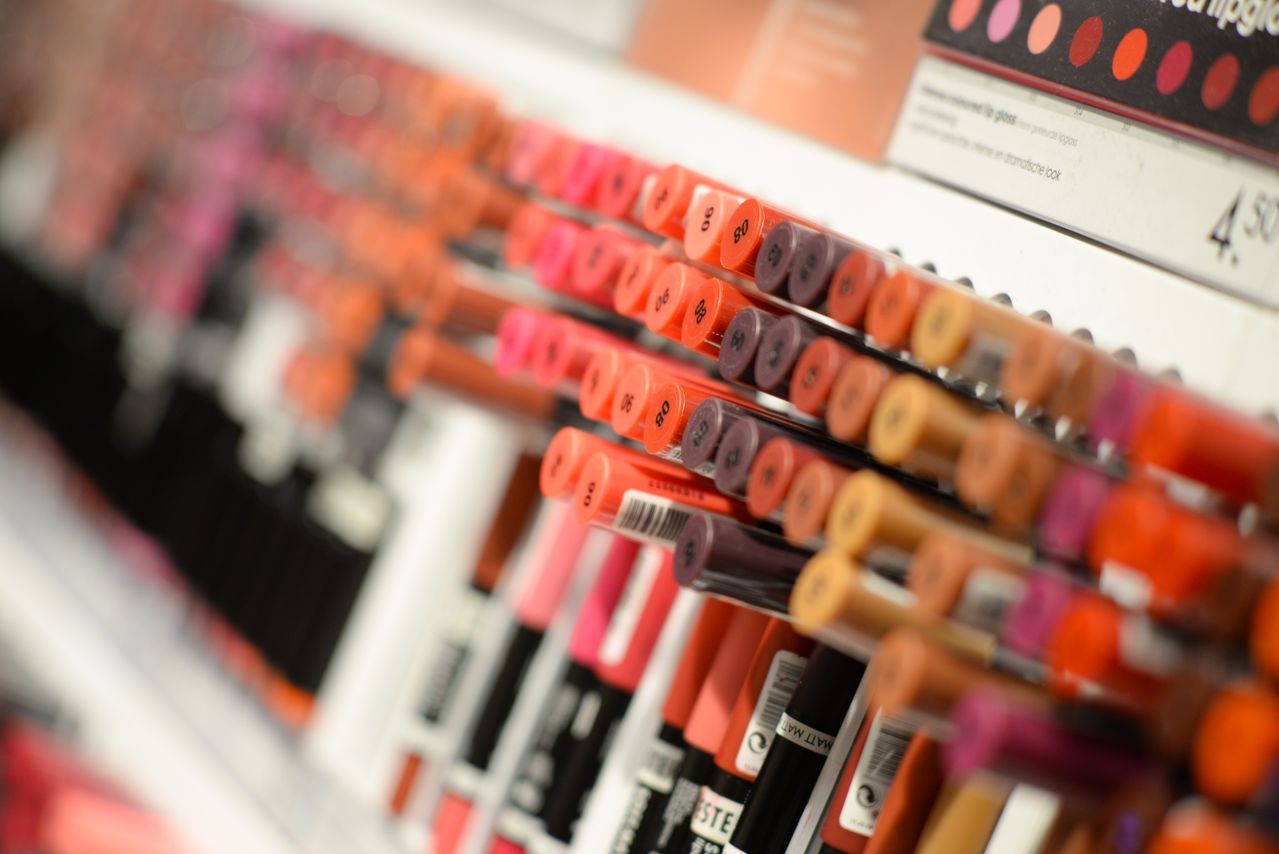
Global beauty retailer Sephora has introduced a ‘Quiet Hours’ programme across its stores worldwide, aiming to create a more comfortable and accessible shopping experience for neurodivergent people and anyone who prefers a calmer retail environment
Listen to the article
The initiative is the first global programme of its kind in the beauty retail sector. During designated Quiet Hours, stores will lower the volume of in-store music, adjust digital displays to reduce visual stimulation and, where possible, minimise the presence of strong fragrances. At selected locations, customers will also have access to additional options, such as mobile checkout, making the shopping experience simpler and less stressful.
The programme was developed in partnership with Open Inclusion and Purposeful Futures, with direct input from neurodivergent customers and employees whose experiences helped shape the initiative.
Before its global rollout, Sephora tested the programme in 32 stores across eight markets. The pilot project found that the majority of neurodivergent customers believed Quiet Hours significantly improved their shopping experience. In addition, 90% of all surveyed customers said the initiative made stores more inclusive and welcoming for everyone.
Experts involved in developing the programme note that people with autism, ADHD and other sensory issues often find shopping centres highly challenging environments because of loud music, bright lighting, strong fragrances and large crowds. Even relatively small adjustments, they say, can substantially reduce sensory overload and make shopping a more comfortable and independent experience.
The initiative has also received positive feedback from employees, who report that the calmer environment enables better communication with customers and reduces stress throughout the working day.
By introducing Quiet Hours, Sephora joins a growing number of major retailers offering sensory-friendly shopping periods. Similar initiatives have been adopted in recent years by supermarkets, department stores and cinemas, reflecting a broader understanding that accessibility is not only about removing physical barriers but also about creating environments where people with sensory sensitivities can feel safe, comfortable and included.
Sephora says Quiet Hours represent just one step towards creating a more inclusive shopping experience and has pledged to continue working with the neurodivergent community to develop solutions that meet the needs of an even wider range of customers.
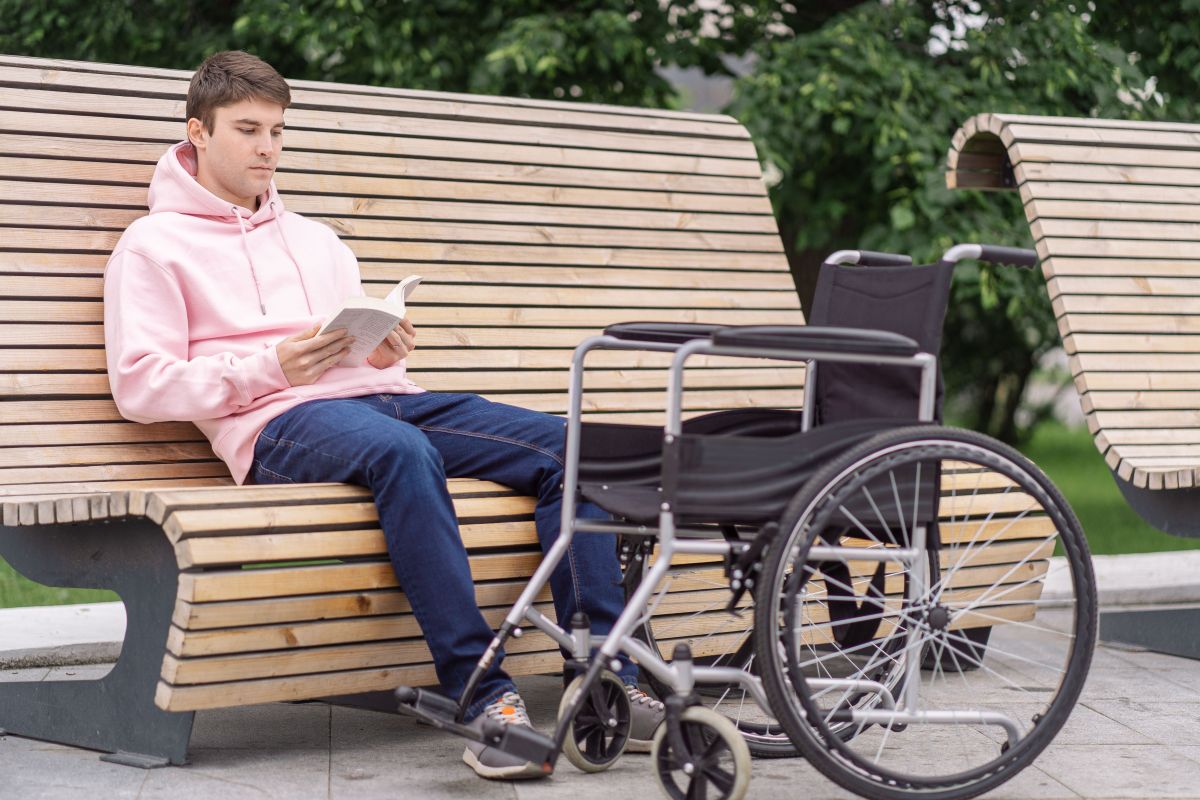
Without young people with disabilities in newsrooms, government ministries and national parliaments, the slogan “Nothing About Us Without Us” remains just that—a slogan, a decorative phrase displayed on banners at disability rights marches.
Listen to the article
Consider for yourself to what extent young people with disabilities in the European Union truly enjoy their rights, and whether those rights are fully realised or remain largely declarative—a polished façade of the welfare state with deep cracks beneath the surface.
One answer to these questions can be found in a survey conducted last year by the Youth Committee of the European Disability Forum (EDF). The survey gathered responses from 183 young people with disabilities across all EU member states. Its findings were published in the EDF manifesto on the everyday lives of young people with disabilities, entitled The Right to Shape Our Future.
The survey results should serve as a wake-up call for decision-makers across the European Union. Respondents expressed dissatisfaction with every major aspect of social life. Overall, young people with disabilities said they do not enjoy the right to live in a fair and accessible society. They also reported that their opportunities to shape their own futures and participate in decisions affecting their lives are significantly restricted.
When it comes to influencing society, respondents said that the media either ignore their lives and rights altogether or portray them through stereotypes. Even when useful information is available, it is often presented in formats that remain inaccessible to people with disabilities.
Without young people with disabilities working in media organisations, government ministries and national parliaments, the slogan “Nothing About Us Without Us” risks remaining exactly that—a slogan, a symbolic message carried on banners rather than reflected in public policy and everyday decision-making.
Young respondents were equally critical when asked about accessibility, which the manifesto describes as little more than “a decent proposal” rather than a lived reality.
“People with disabilities face a ‘disability tax’—they pay more for housing, transport and healthcare while navigating a world that was not designed with them in mind. From inaccessible bus stops to cafés that cannot be entered, the built environment continues to undermine independence. True equality requires infrastructure that anticipates diversity rather than treating it as an afterthought,” the manifesto states.
For many young people with disabilities, the right to shape their own future is further limited by segregated education systems that prevent them from reaching their full potential. This, the manifesto argues, contributes to a “poverty trap.”
By the time they complete their education, many are not adequately prepared to compete in the labour market, while the jobs they do obtain often provide only enough income to meet their basic needs.
At the same time, earning an income can result in the loss of essential social support, effectively penalising ambition and trapping many young people with disabilities in poverty, the EDF manifesto concludes.
Tko su Purger i Purgerica?





Kreativno crtanje, filmsko druženje i izrađivanje božićnih ukrasa

BOLJE DA SE NISI NI RODILA Predstava o predrasudama

Magnetima do sigurnijeg pokreta osoba s amputacijom


-

 Zdravlje i ljepotaPrije 7 dana
Namirnice u borbi protiv gripe
-

 Osobe s invaliditetomPrije 4 dana
ACT Grupa poziva na zapošljavanje osoba s invaliditetom
-
 Osobe s invaliditetomPrije 5 dana
Roditelji njegovatelji traže pravo na bolovanje i godišnji odmor
-
 in MREŽAPrije 6 dana
Osobe s invaliditetom u svijetu podcasta
-

 VijestiPrije 5 dana
U Zagrebu akcija za rano otkrivanje šećerne bolesti
-
 VijestiPrije 6 dana
Djeca leptiri trebaju dostupnu terapiju
-

 EU kutakPrije 6 dana
Osobe s invaliditetom u Hrvatskoj među najizloženijima siromaštvu
-
 Civilno društvoPrije 7 dana
Svatko od nas sutra može postati OSI